19 Day South Africa Premier Lodge Tour
Overview Itinerary Departure Dates Activities Inclusions & Exclusions

19 Day South Africa Premier Lodge Tour

African Overland Tours

ZAR

69950.00
Tour Type Icon

Price From

R69,950

Single Supplement R9150

check availability View Tour Dates

*Currency estimated. Tours are Based in South African Rand (ZAR) and converted on the day. Some Tours are Based in EUR/USD

Latest
2025 Tripadvisor Travelers Choice:
Best Travel Company for Adventure Holidays

review.io

https://schema.org/InStock

Calendar

Length

19 days

Tour Type

Tour Type

Smaller Group Tours, Accommodated

flight Starts

Starts

Johannesburg

Comfort Level

Comfort Level

Premier

Flight Ends

Ends

Cape Town

Age Range

Age Range

12 – 65 Years and older

Tour SKU

Tour SKU

SGA0412

Operated in

Operated in

English Guided

Group Size

Group Size

Max 12

Destinations

Destinations

South Africa, Eswatini, Lesotho

LET THE EXPERTS HELP

Tour Highlights

EXTEND MY TOUR

What are you looking for?

Get advice and suggestions to make this your perfect trip.

or call us on:

+27 (0) 21 448 0997

Why You'll Love this Tour

This 19 Day Small Group Tour of South Africa is an exciting trip filled with culture, wildlife, adventure, walking, mountains and beaches. Discover the vibrant landscapes and rich cultures of Southern Africa. From the iconic Kruger National Park, where you’ll encounter the Big Five, to the dramatic Drakensberg Mountains and the stunning Cape Peninsula, this tour offers a diverse range of experiences. Explore the Kingdom of Eswatini, hike through the highlands of Lesotho, and witness the unique wildlife of the Hluhluwe-Imfolozi Game Reserve. Relax on the beautiful beaches of the Garden Route, marvel at the Cango Caves, and embark on thrilling whale-watching excursions in Hermanus. This unforgettable journey will leave you with lasting memories.

19 Day South Africa Premier Lodge Tour

19 Day South Africa Premier Lodge Tour

https://africanoverlandtours.com/wp-content/themes/africanoverlandtours/images/placeholder-img.jpg

2025-06-04T08:06:31+00:00

https://www.youtube.com/embed/oyfGce2IXkE?si=9FT43TJ9DBNGvMG5

African Overland Tours

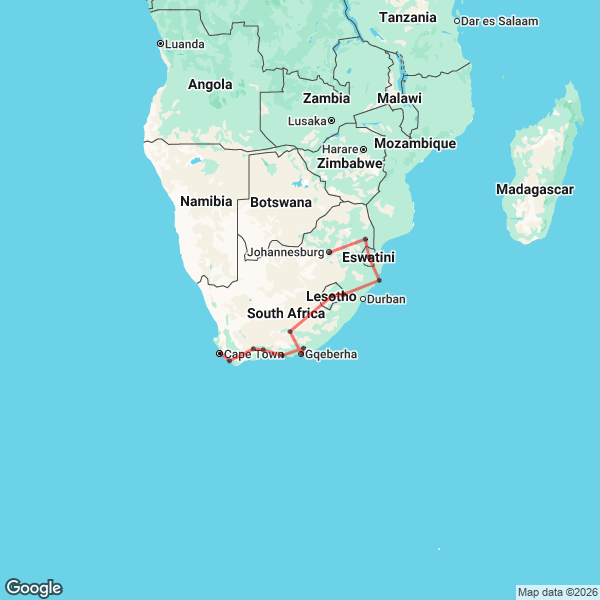
19 Day South Africa Premier Lodge Tour Map

ITINERARY

Expand All
Itinerary
1

Leaving the bustling city of Johannesburg, we embark on a journey eastward, traversing the coal-rich region of Mpumalanga. As we follow the historic trade routes, we’ll venture into the Lowveld and ultimately reach the iconic Kruger National Park.


Accommodation
Accommodation

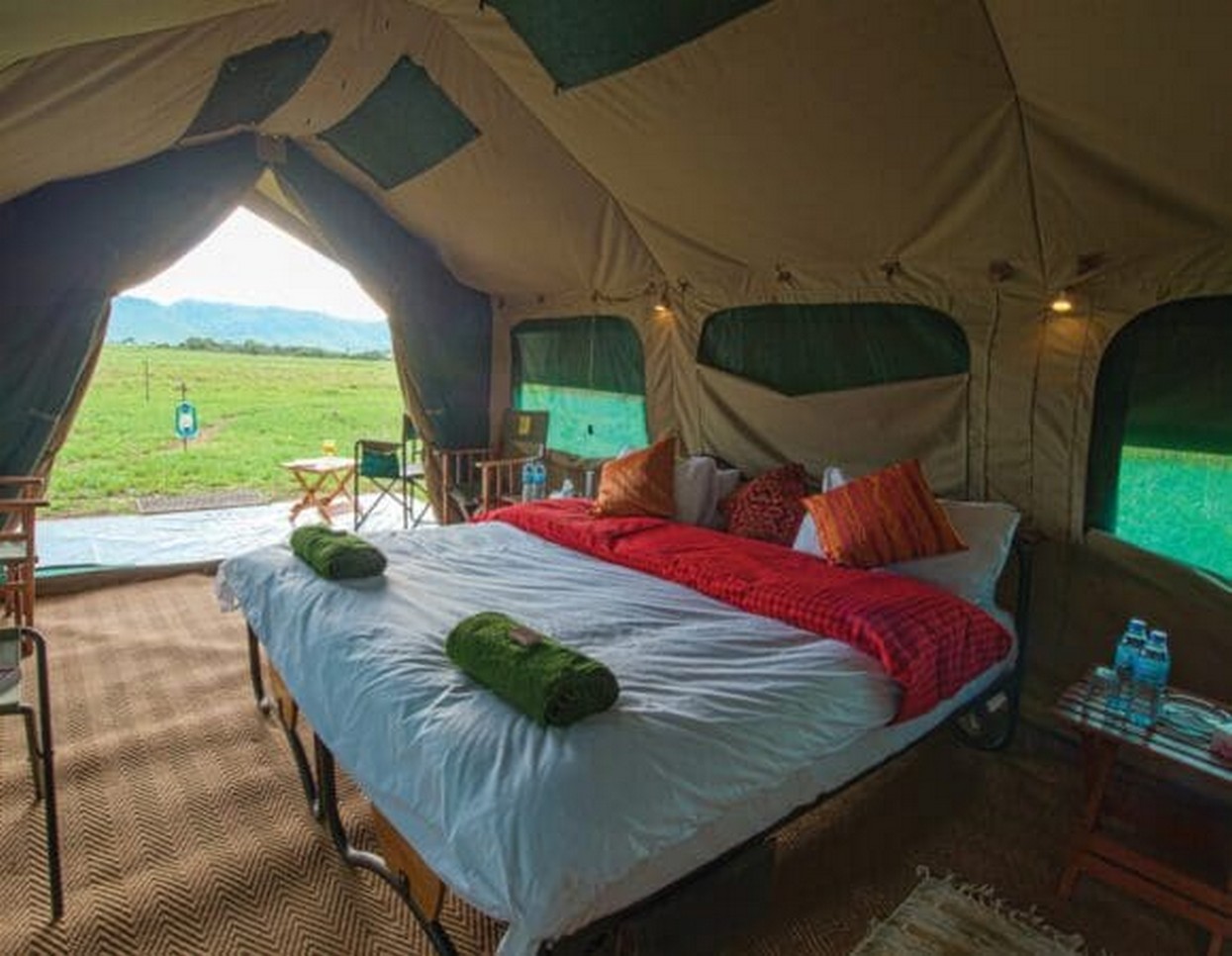
Two Per permanent Tent: Nkambeni Reserve or Umbhaba or Hotel Numbi or  Timbavati safari 

Facilities
Facilities

En-suites facilities Please visit the website of the accommodation provider for a full list of the facilities offered

Route
Route

Johannesburg to Nkambeni Reserve

Meals
Meals

Dinner

2

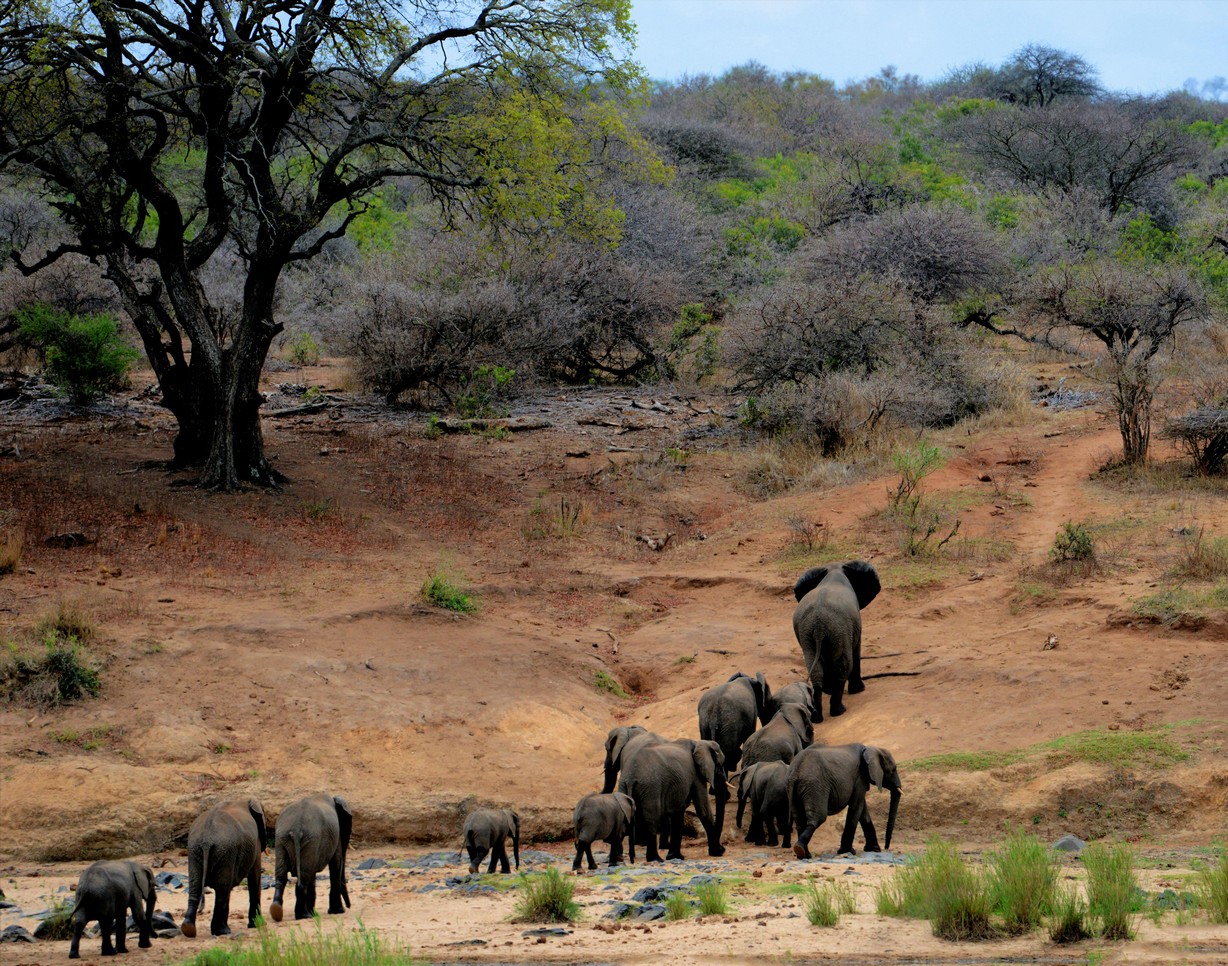
We travel up to the world-famous Kruger National Park and begin with a game drive in our truck. We will spend the day driving through the national park in our truck, which gives us an elevated view to spot wildlife. Most of the day will be spent driving through the park. We explore the Kruger National Park in an open 4×4 safari vehicle.

Set up in 1898 in order to protect the wildlife of the South African Lowveld, the Kruger National Park (of almost 2 million hectares) is unmatched in the variety of animal species it contains and is a world leader in advanced environmental techniques and policies. The Park is home to approximately 145 species of mammal, more than 500 bird species (some of which are strictly indigenous to South Africa) and approximately 336 different tree species.

In 1927, when the first tourists visited the Park, they carried weapons and set up their own camps in areas surrounded by thorn bushes in order to guard themselves from predators. Throughout World War II, the Park was closed to the public and was then re-opened under new management in 1946. Currently, the Kruger National Park is one of the most popular tourist destinations in the entire world, complete with the facilities one could expect from any top holiday destination. However, it has still managed to maintain an untouched environment that provides you with a truly ‘African’ experience.


Accommodation
Accommodation

Two per Permanent Tent: Nkambeni Reserve or Umbhaba or Hotel Numbi or Timbavati safari 

Facilities
Facilities

En-suites facilities Please visit the website of the accommodation provider for a full list of the facilities offered

Route
Route

Kruger National Park

Meals
Meals

Breakfast, Dinner

Included Highlights
Included Highlights

Kruger National Park 4×4 game drive

3

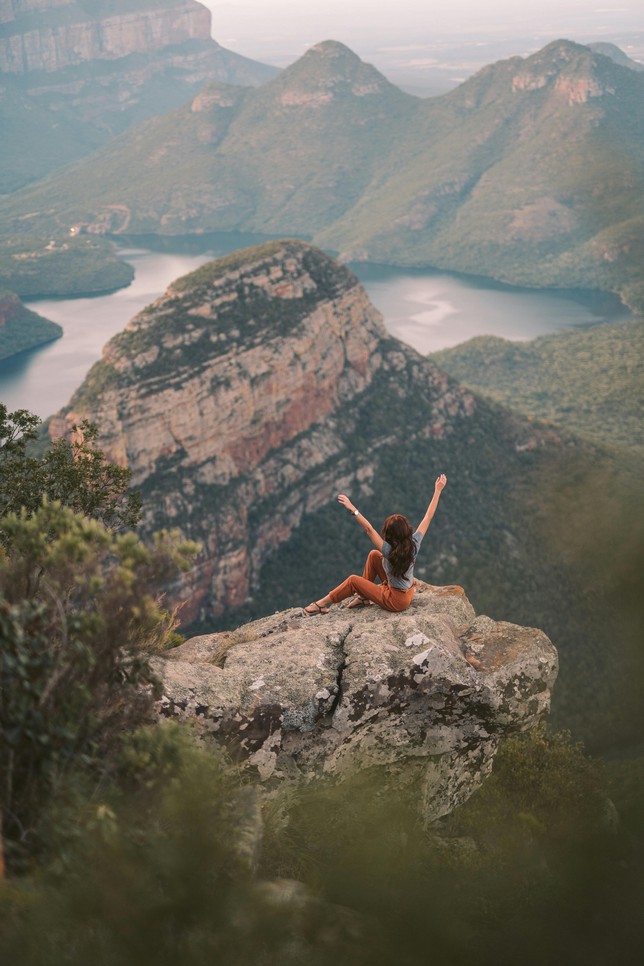
An earlier start for those wanting to do an optional morning bush walk while the rest of the day is spent travelling through the incredible Panorama Route, visiting the highlights of The Three Rondavels, God’s Window and Bourke’s Luck Potholes before returning back to the camp in the afternoon.

Accommodation
Accommodation

Two per Permanent Tent: Nkambeni Reserve or Umbhaba or Hotel Numbi or Timbavati safari 

Facilities
Facilities

En-suites facilities Please visit the website of the accommodation provider for a full list of the facilities offered

Meals
Meals

Breakfast, Dinner

Included Highlights
Included Highlights

Panorama Route – Bourke’s Luck Potholes, Blyde River Canyon, God’s Window

Optional Activities
Optional Activities

Morning Bush Walk (Subject to Availability)

4

We begin the day with coffee and traditional rusks before leaving the Kruger National Park and journey to Eswatini (Formerly known as the Kingdom of Swaziland). We have an excellent platform for viewing as we make our way south to Eswatini which is a beautiful landlocked country bordered by Mozambique and South Africa. Our accommodation for the evening is spent in the Ezulwini Valley.

The smallest country of the southern hemisphere, Eswatini (formerly known as Swaziland) is one of three monarchies remaining in Africa. The Kingdom was declared independent from the Commonwealth in 1968 and is ruled by a King who is appointed in accordance with the Swazi traditions. If the King is absent or incapable of performing his duties for whatsoever reason, the Queen Mother acts on his behalf. This minute country made international headlines when it was ruled by two queens, one after the other. After the demise of King Sobhuza II, the substitute Queen Dzeliwe Shongwe reigned between 1982 and 1983, and just a few months following, Ntombi Twala became the country’s second female Head of State since the country’s independence.

Though Swaziland is surrounded on all sides by South Africa, it is bordered for roughly 100 kilometres by Mozambique in the east. Its natural resources are tremendously well-managed, and in spite of the size of the country, it contains some of the finest game reserves and national parks within Southern Africa. Elephants, lions and rhinos were wiped out due to hunting at one point, but have since been restored to the region. Swaziland is also quite famous for its abundant bird life.

Mlilwane was Swaziland’s very first wildlife sanctuary, established in the 1960’s by a local farmer, Ted Reilly, who has contributed to the conservation of Swaziland’s natural heritage for many years. The Mlilwane Wildlife Sanctuary is a stunning, isolated haven situated in Swaziland’s ‘Valley of Heaven’, the Ezulwini Valley located between Mbabane and Manzini. The sanctuary spreads over 4,560 hectares and consists of a southern and northern section. The southern region consists mostly of sweeping grasslands with middleveld flora that stretch up onto the incredible Nyonyane Mountain. Nyonyane has much historical significance as it is where the ancient San communities once resided and it is also where the Swazi Royal family are buried. Behind these mountains, the remarkable Mantenga waterfall and gorgeous Usushwana Valley create a divide before extending up to the northern section, which includes one of the highest surrounding points at Luphohlo. From the western frontier, the enormous Usutu Forest boasts a vivid setting that stretches into the far-off hills. Tourist activities mostly take place in the southern section, with guided trails leading to the unspoiled mountains of the north. Meaning ‘little fire’, Milwane’s name originated from the countless fires initiated by strikes of lightning on the Mlilwane Hill’s stonework.

Facilities
Facilities

En-suites facilities Please visit the website of the accommodation provider for a full list of the facilities offered

Route
Route

Kruger to Mlilwane

Meals
Meals

Breakfast, Dinner

Included Highlights
Included Highlights

Game Drive in Kruger National Park (in the overland truck)

Border Post
Border Post

South Africa: Jeppes Reef, Tel: + 27(0)13 781 0382, Open: 07h00-20h00 Eswatini: Matsamo, Tel: +268 323 2137, Open: 07h00-20h00

5

Officially known as the Kingdom of Eswatini, this landlocked country is completely surrounded by South Africa. Here, you’ll have the opportunity to immerse yourself in Swazi culture, learning common phrases like “Sawubona” (Hello) and “Yebo” (Yes). Today, you’ll have the chance to explore the area and experience the unique charm of Eswatini.

Endless hours of self-guided exploration within the small 4560ha Mlilwane sanctuary are possible due to the relative absence of dangerous game. This morning our guide will lead us out on a nature walk to explore the “Nature Trail “, which provides interpretation of historical and environmental information of the area.


Facilities
Facilities

En-suite facilities Please visit the website of the accommodation provider for a full list of the facilities offered

Meals
Meals

Breakfast, Dinner

Optional Activities
Optional Activities

Game Drives, Mountain Biking and Hiking

6

We say our goodbyes to Eswatini and travel back into South Africa. Making our way south, we reach Zululand, most commonly known for the mighty King Shaka.


Accommodation
Accommodation

Two Per Room: Forest Lodge or Shonalanga 

Facilities
Facilities

En-suite facilities Please visit the website of the accommodation provider for a full list of the facilities offered

Route
Route

Eswatini to St. Lucia

Meals
Meals

Breakfast, Dinner

Border Post
Border Post

South Africa: Golela Border Post, Tel: +27(0)34 435 1070 Open: 07h00-22h00, Swaziland: Lavumisa Town Board, Tel: +268 20 790 93, Open: 07h00-22h00

7

We begin the day early, embarking on a game drive in the Hluhluwe-Imfolozi Game Reserve. The park boasts the biggest white rhino population in the world. Returning to the lodge in the early evening, we freshen up and board a boat to enjoy a delightful sunset cruise on the St Lucia Estuary.

Set up in 1895, the Hluhluwe-Imfolozi Game Reserve remains the oldest game park in all of Africa. The Park spreads over approximately 96,000 hectares and boasts a wide variety of wildlife and vegetation. It is specifically well-known for its conservation of masses of endangered black and white rhino. The remainder of the Big Five can also be spotted here: buffalo, elephant, lion and leopard, as well as plenty of other species including Blue Wildebeest, zebra, giraffe, waterbuck, nyala, kudu, bushbuck, warthog, cheetah, hyena, jackal and countless impala. Over 300 bird species have been identified in this region, making it one of the best bird-watching destinations in all of South Africa.


Accommodation
Accommodation

Two per room Forest Lodge or Shonalanga 

Facilities
Facilities

En-suite facilities Please visit the website of the accommodation provider for a full list of the facilities offered

Meals
Meals

Breakfast

Included Highlights
Included Highlights

Game drive in Hluhluwe-Imfolozi National Park, St. Lucia boat cruise

8

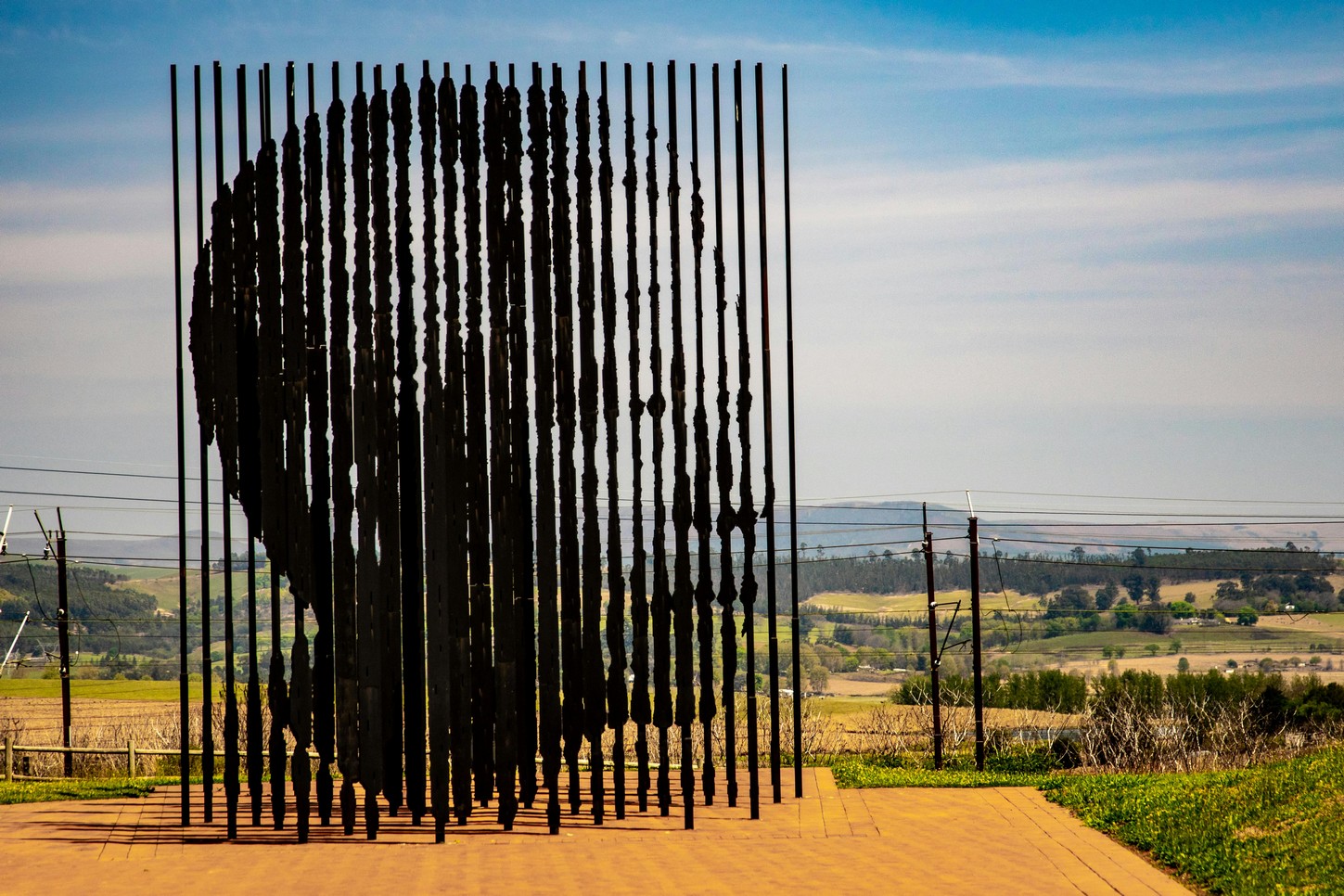
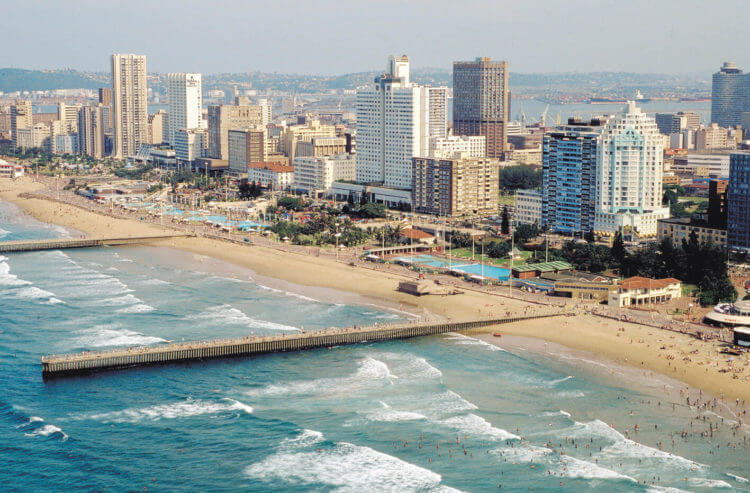
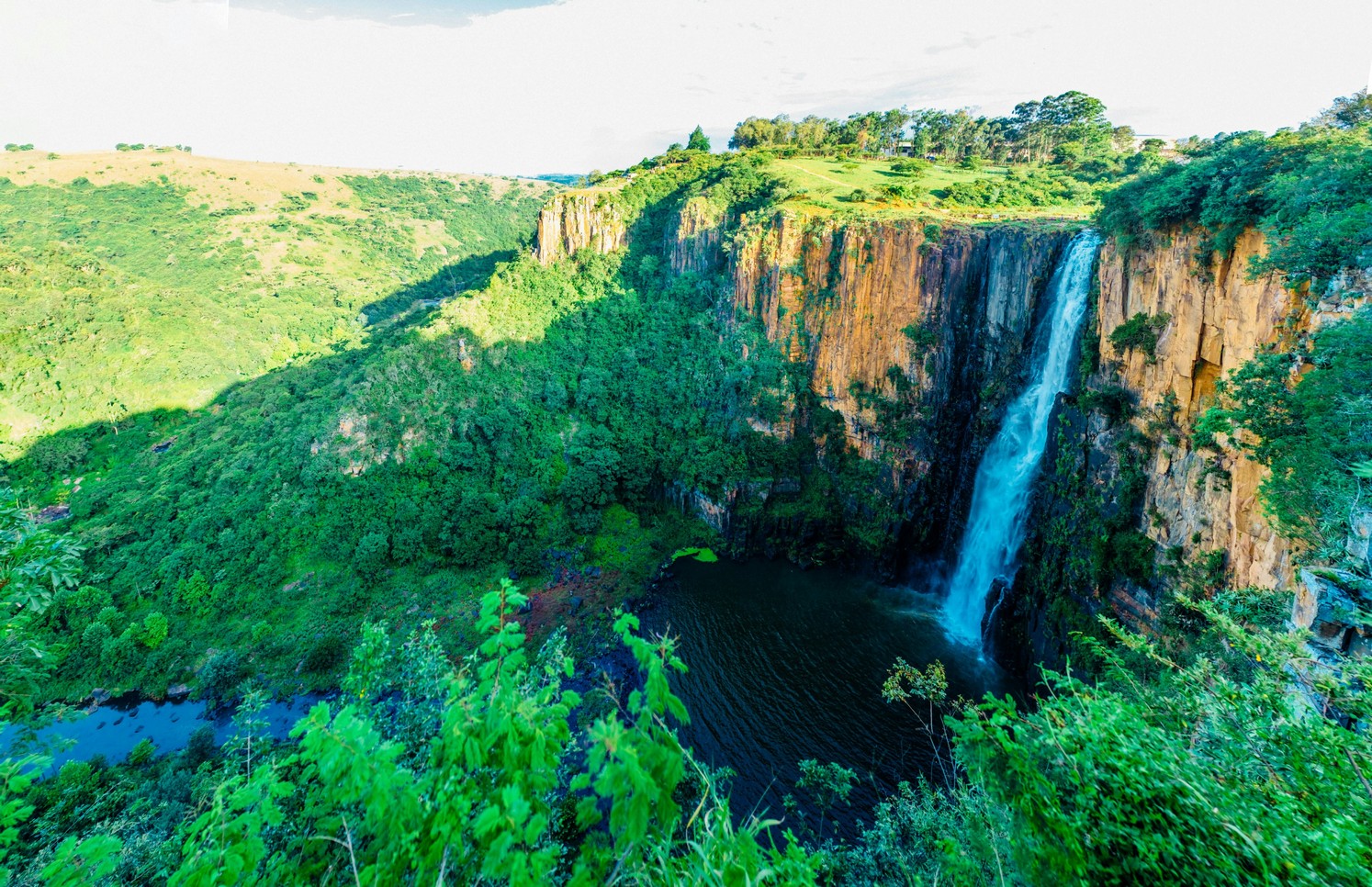
Located in Kwazulu-Natal, the Ukhuhlamba Drakensberg Park is a UNESCO World Heritage Site. It does not matter if you call these towering mountains by their Zulu name uKhahlamba, meaning ‘barrier of spears’, or their Afrikaans name Drakensberge, meaning ‘dragon mountains’, they will be our backdrop for the next two nights. While traveling, we will make a brief stop in Durban to stretch our legs before continuing to the Howick Falls and visiting the nearby site where Nelson Mandela was captured.


Accommodation
Accommodation

Two per room: Monks Cowl

Facilities
Facilities

En-suite facilities Please visit the website of the accommodation provider for a full list of the facilities offered

Route
Route

St. Lucia to Drakensberg

Meals
Meals

Breakfast, Dinner

Included Highlights
Included Highlights

Visit to the Mandela Capture Site, Visit Howick Falls

9

Today, we set out for a long hike. We encourage all participants to make the most of their time in the mountains, but we may offer separate activities for different levels of activity. Having a variety of trails available to choose from, we are able to meet everybody’s needs. The most important goal is that everyone is able to enjoy this mountain paradise at their own pace.


Accommodation
Accommodation

Two per room: Monks Cowl

Facilities
Facilities

En-suite facilities Please visit the website of the accommodation provider for a full list of the facilities offered

Meals
Meals

Breakfast, Dinner

Included Highlights
Included Highlights

Hike with your guide in Ukhahlamba-Drakensberg Park

10

Our journey begins with a scenic ascent through a mountain pass, traversing the majestic cliffs bordering Golden Gate National Park. Cross the border into Lesotho and continue your climb, arriving in the capital city of Maseru. This vibrant city awaits exploration before you head further into the mountains, reaching your base camp nestled amidst Lesotho’s soaring peaks. Prepare for stunning scenery, diverse wildlife encounters, and an unforgettable exploration of Lesotho’s highlands!

Accommodation
Accommodation

Two per Room: Malealea Lodge or Semonkong

Facilities
Facilities

En-suite facilities Please visit the website of the accommodation provider for a full list of the facilities offered

Route
Route

Drakensberg to Malealea

Meals
Meals

Breakfast, Dinner

Border Post
Border Post

South Africa: Maseru Bridge, Tel: +27 (0) 51 924 4300, Open: 24hrs, Lesotho: Maseru Bridge, Tel: +266 22 313 796, Open: 24hrs

11

This morning, we embark on a thrilling hike through Lesotho’s unique and adventurous highlands. Our scenic trail, lasting a couple of hours, offers stunning vistas and a chance to truly connect with the beauty of this untouched wilderness. Keep your eyes peeled for diverse wildlife and soak up the serenity of the Lesotho mountains. This unforgettable exploration is just the beginning of your Lesotho adventure!


Accommodation
Accommodation

Two per Room: Malealea Lodge or Semonkong

Facilities
Facilities

En-suite facilities Please visit the website of the accommodation provider for a full list of the facilities offered

Meals
Meals

Breakfast, Dinner

Included Highlights
Included Highlights

Waterfall & Bushman Paintings activity with your guide

Pre-Bookable Optional Activities

Pony trekking / Village Tour (min numbers could apply to activities)

12

Making our way back to South Africa, we journey across the mountainous regions to the Great Karoo. This area is the heartland of rural Southern Africa. We spend our evening in the historical town of Graaff-Reinet, known to be the fourth oldest town in the country. Crossing the Orange River today we journey through the countryside making our way to the Karoo.

Accommodation
Accommodation

Two Per Room: Profcon Resort or Camdeboo Cottages (no website available)

Facilities
Facilities

En-suites facilities Please visit the website of the accommodation provider for a full list of the facilities offered

Route
Route

Malealea to Graaff Reinet

Meals
Meals

Breakfast, Dinner

Border Post
Border Post

Lesotho: Vanrooyenshek, Tel: +27 51 583 1525, Open: 06h00-22h00. South Africa: Vanrooyenshek, Tel: +27 51 583 1516, Open: 06h00-22h00

13

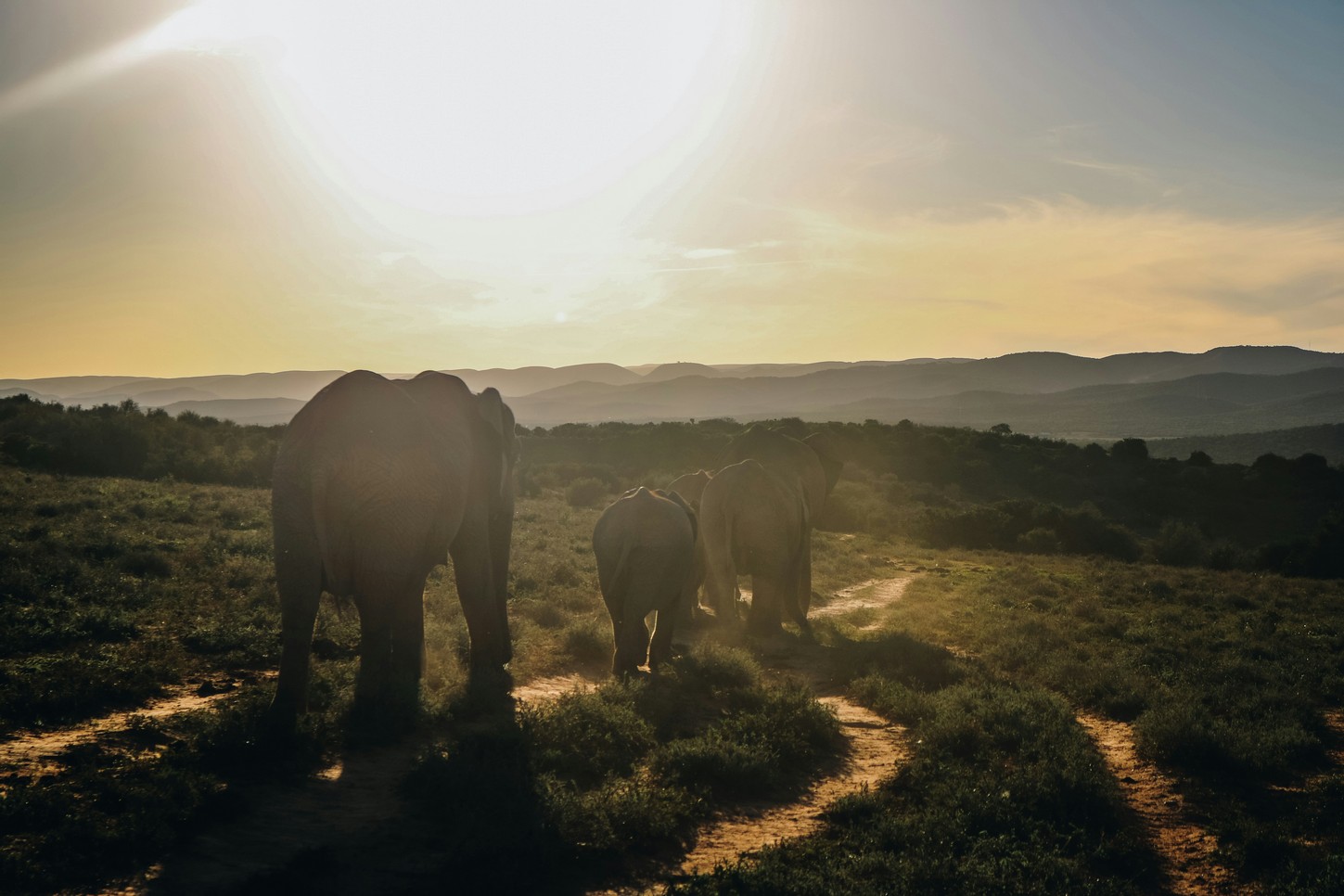
This morning, you’ll have the chance to join a breathtaking sunrise excursion to the Valley of Desolation. Perched above the town, this dramatic valley offers sweeping views of the open plains stretching into the distance. From there, we’ll journey back toward the coast, crossing the vast Karoo plains en route to Addo Elephant National Park. Here, you’ll experience a thrilling half-day game drive in our overland vehicle, searching for the iconic elephants that make this park their home.


Accommodation
Accommodation
Facilities
Facilities

En-suites facilities Please visit the website of the accommodation provider for a full list of the facilities offered

Route
Route

Graaff Reinet to Gqeberha / Greater Addo Area

Meals
Meals

Breakfast

Included Highlights
Included Highlights

Valley of Desolation Sunrise Tour, Afternoon game drive in Addo National Park (In the vehicle)

14

We’ll start our day with an early morning game drive in Addo Elephant National Park. This expansive park, known for its diverse wildlife, offers excellent opportunities to spot elephants, lions, buffalo, and a variety of antelope species.


Accommodation
Accommodation
Facilities
Facilities

En-suites facilities Please visit the website of the accommodation provider for a full list of the facilities offered

Meals
Meals

Breakfast

Included Highlights
Included Highlights

Game drive in Addo National Park (In the vehicle)

15

We’ll start our day early, heading to the surfing haven of Jeffreys Bay. This iconic town, renowned for its world-class waves, is also home to a fascinating Surfing Museum. Afterward, we’ll journey west to the picturesque Tsitsikamma region, where we’ll spend the next two nights. This stunning coastal area marks the beginning of the Garden Route, and we can’t wait to explore its natural beauty.

Facilities
Facilities

En-suites facilities Please visit the website of the accommodation provider for a full list of the facilities offered

Route
Route

Gqeberha to Tsitsikamma

Meals
Meals

Breakfast, Dinner

Included Highlights
Included Highlights

Stop in the surfing town of Jeffreys Bay

16

This morning, we’ll embark on a thrilling adventure through Tsitsikamma National Park, one of South Africa’s premier marine reserves. We’ll hike along the Waterfall Trail, a challenging but rewarding trek that offers stunning coastal views. For those who prefer a more leisurely experience, the boardwalks to the Storms River Mouth provide a beautiful and accessible alternative. In the afternoon, you can opt for the Woodcutters Journey, a unique experience that delves into the history and ecology of the Tsitsikamma region. This guided tour offers insights into the indigenous flora and fauna of the area.

Tsitsikamma National Park is situated between the ocean and the Tsitsikamma Mountains, located along the Garden Route – one of the most striking coastlines of the world. The Park spreads over 80 kilometres along the coast between Nature’s Valley and Storm’s River mouth and includes a variety of different ecosystems (indigenous forests, commercial plantations, Fynbos and inter-tidal areas). It also boasts spectacular scenery and walks. It was the very first Marine National Park to be declared in Africa and is currently the third most regularly visited of all twenty of South Africa’s national parks. The forest contains over 30 species of native trees, several of which tower above the forest canopy – the highest being approximately 36 metres tall, whilst others date back to more than 1,000 years ago.

Facilities
Facilities

En-suites facilities Please visit the website of the accommodation provider for a full list of the facilities offered

Meals
Meals

Breakfast

Included Highlights
Included Highlights

Tsitsikamma National Park entrance to hike with your Guide

Optional Activities
Optional Activities

Woodcutters Journey Tour, Treetop Canopy Tours, Bungee Jumping

17

Following a visit to the charming town of Knysna, we’ll journey inland, crossing the majestic Outeniqua Mountains. Our destination is Oudtshoorn, a town renowned for its ostrich farms. Here, we’ll embark on a guided tour of the Cango Caves, a subterranean wonderland filled with awe-inspiring stalactite and stalagmite formations.


Accommodation
Accommodation
Facilities
Facilities

En-suites facilities Please visit the website of the accommodation provider for a full list of the facilities offered

Route
Route

Tsitsikamma to Oudtshoorn

Meals
Meals

Breakfast, Dinner

Included Highlights
Included Highlights

Cango Caves Basic Tour

18

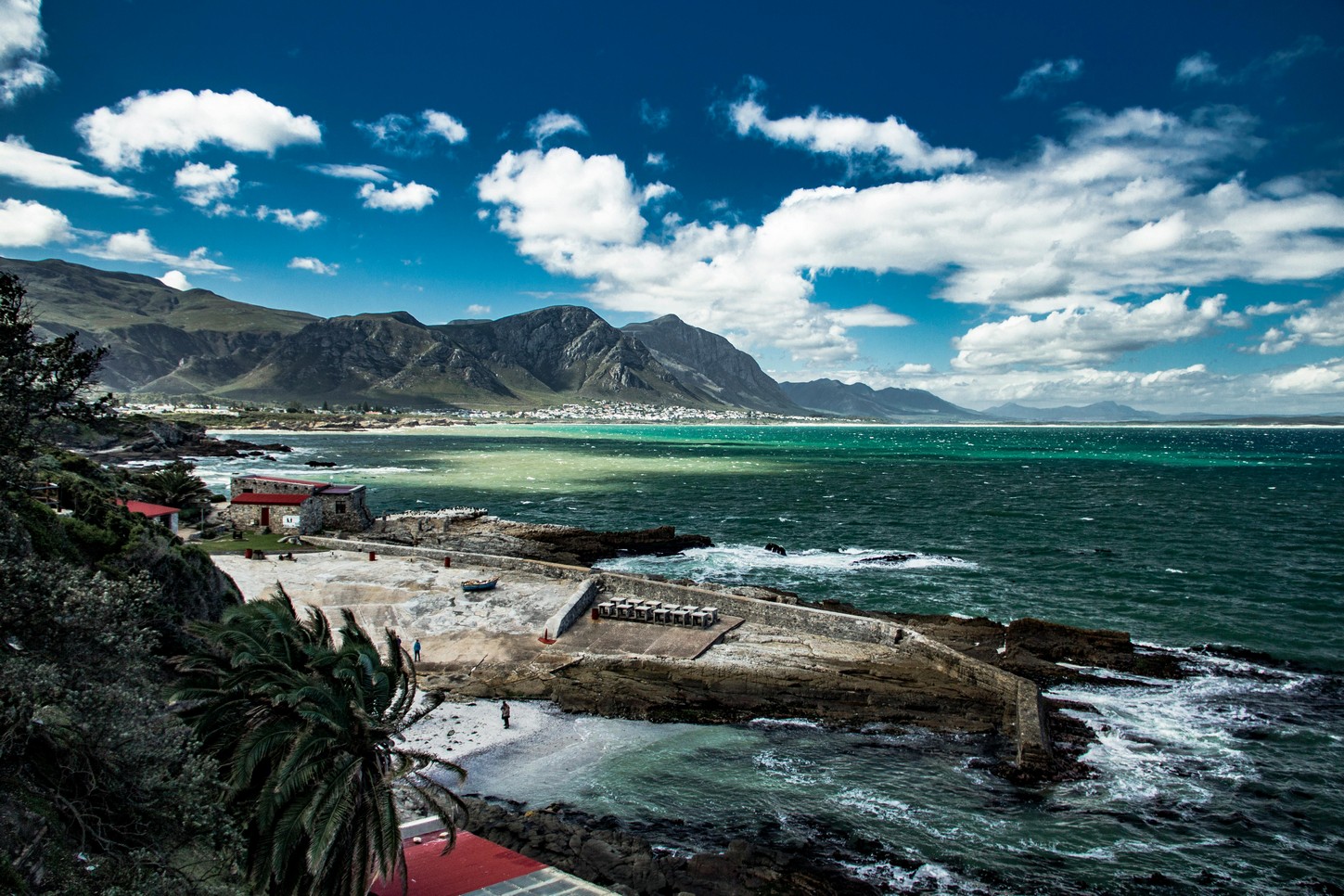
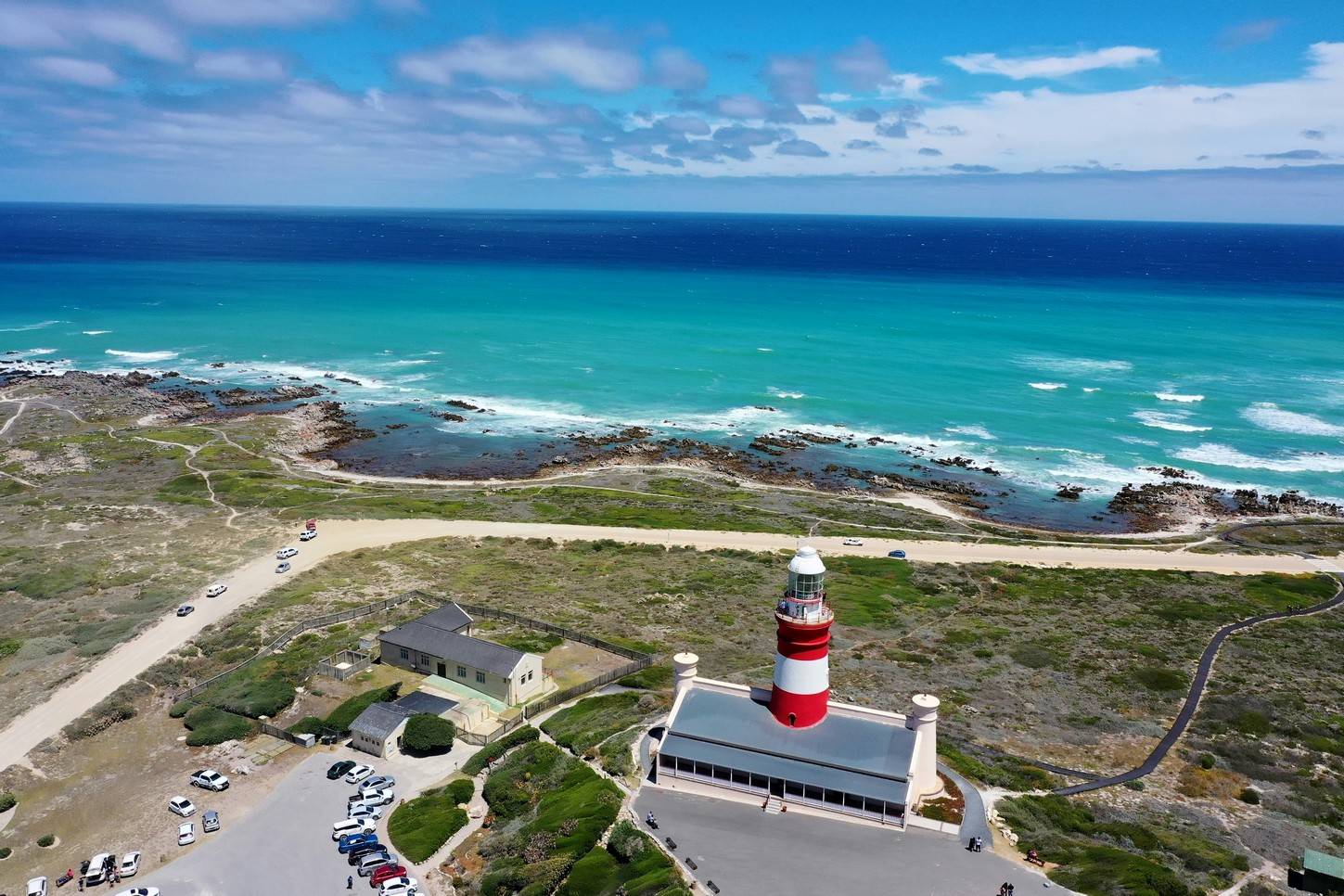
As we leave Oudtshoorn, we travel through the scenic Little Karoo and continue along the Garden Route. On our way, we pass charming country towns and rolling farmlands before reaching Cape Agulhas, the southernmost point of Africa. Explore the rugged coast of this iconic landmark to capture some unforgettable photographs. Continuing along our scenic route, we reach Hermanus, a seaside town that is well known for its spectacular whale-watching opportunities (seasonal June–November). Following our arrival in this charming coastal town, we enjoy a relaxing evening at our accommodation. During the evening, your guide will arrange an optional dinner at a local restaurant, providing an opportunity to sample regional cuisine and enjoy excellent company

Accommodation
Accommodation
Facilities
Facilities

En-suites facilities Please visit the website of the accommodation provider for a full list of the facilities offered

Route
Route

Oudtshoorn to Hermanus

Meals
Meals

Breakfast

Included Highlights
Included Highlights

Cape Agulhas (Southernmost tip of the African continent)

19

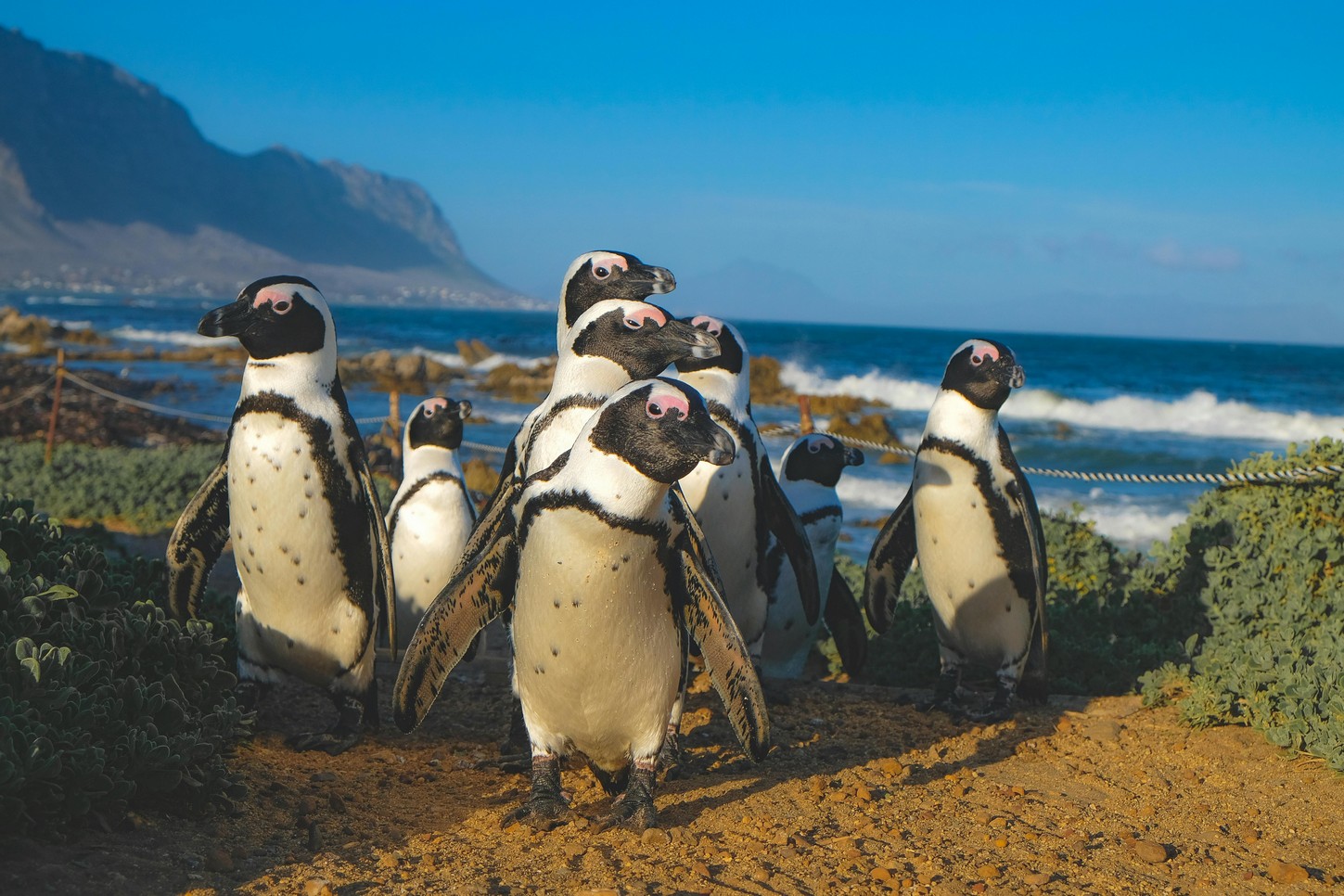
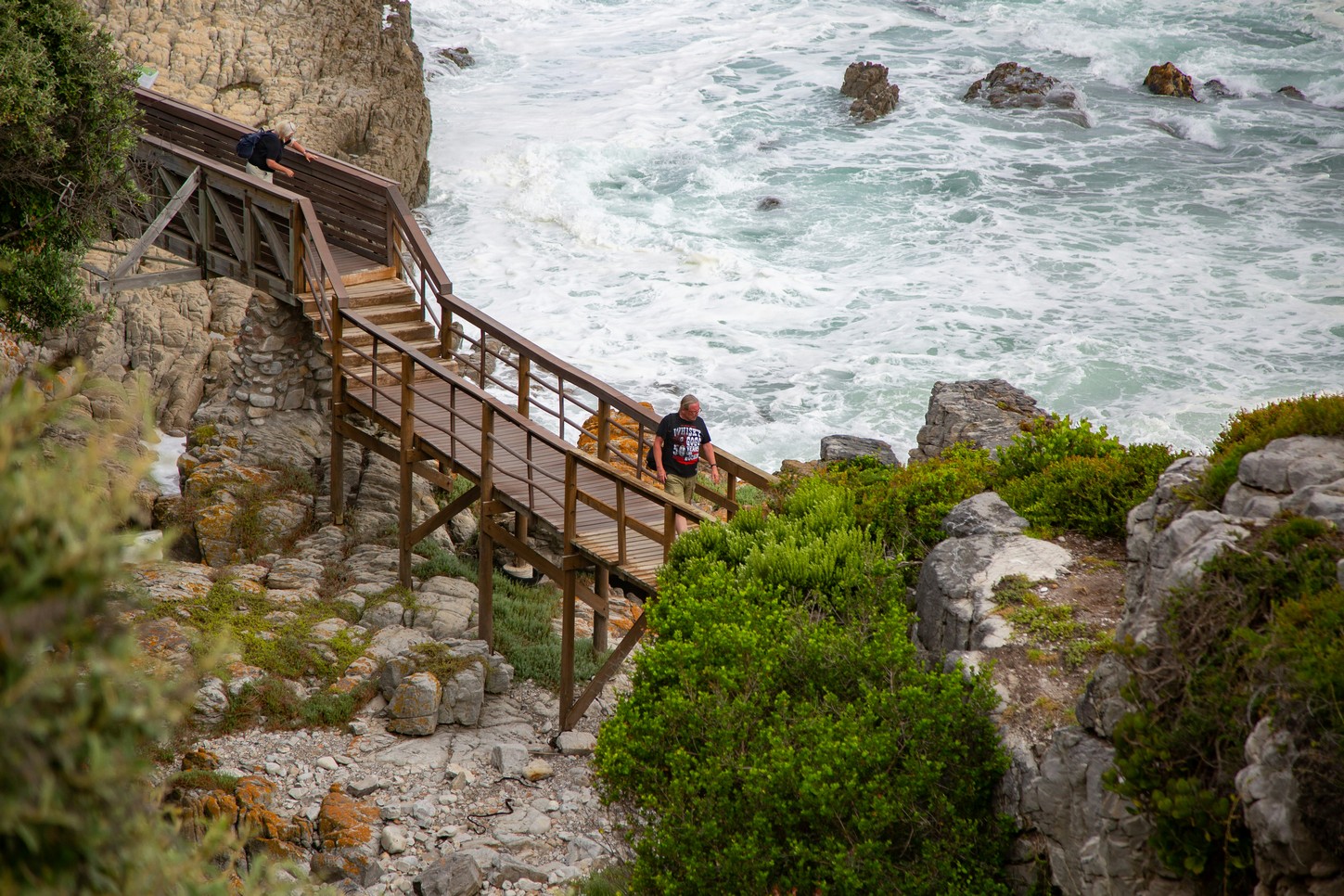
This morning, we’ll enjoy a leisurely stroll along the Hermanus Cliff Path boardwalk, keeping an eye out for the majestic southern right whales that grace the shores during the months of July to November. From there, we journey along the stunning Cape Whale Coast, a pristine stretch of South Africa’s coastline, stopping at Stony Point Nature Reserve—home to one of the largest breeding colonies of African penguins. If time allows, we’ll take a scenic detour through the Cape Winelands, where you can stretch your legs, enjoy the picturesque surroundings, and grab lunch (optional). Your tour concludes as we arrive in Cape Town’s city center, marking the end of an unforgettable journey.


Accommodation
Accommodation

Own arrangements / Post-tour arrangements can be booked through us

Meals
Meals

Breakfast

Route
Route

Hermanus to Cape Town

Included Highlights
Included Highlights

Cliff Path Hermanus boardwalks, Stony Point Penguin Colony

UPCOMING DEPARTURE DATES

Sunday

08 Mar 2026

Thursday

26 Mar 2026

From

R69,950

Sunday

03 May 2026

Thursday

21 May 2026

From

R69,950

Sunday

31 May 2026

Thursday

18 Jun 2026

From

R69,950

Guaranteed

Sunday

26 Jul 2026

Thursday

13 Aug 2026

From

R69,950

Sunday

13 Sep 2026

Thursday

01 Oct 2026

From

R69,950

Sunday

20 Sep 2026

Thursday

08 Oct 2026

From

R69,950

Sunday

18 Oct 2026

Thursday

05 Nov 2026

From

R69,950

Sunday

15 Nov 2026

Thursday

03 Dec 2026

From

R69,950

Sunday

13 Dec 2026

Thursday

31 Dec 2026

From

R69,950

Activities included

Included in the Tour Price

  • Kruger National Park 4×4 game drive
  • Panorama Route – Bourke’s Luck Potholes, Blyde River Canyon, God’s Window
  • Game Drive in Kruger National Park (in your vehicle)
  • Game Drive in Hluhluwe-Imfolozi National Park
  • St. Lucia Boat Cruise
  • Visit to the Mandela Capture Site, visit Howick Falls
  • Hike with your guide in Ukhahlamba-Drakensberg Park
  • Waterfall & Bushman Paintings activity with your guide
  • Valley of Desolation sunrise tour
  • Afternoon game drives in Addo National Park (in the vehicle)
  • Stop in the surfing town of Jeffreys Bay
  • Tsitsikamma National Park entrance to hike with your Guide
  • Cango Caves Basic Tour
  • Cape Agulhas (Southernmost tip of the African continent)
  • Cliff Path Hermanus boardwalks
  • Stony Point Penguin Colony

Other Activities

Optional activities available on this tour at your own expense:

  • Eswatini Game Drives, Mountain Biking and Hiking
  • Tsitsikamma National Park Woodcutters Journey tour, Treetop Canopy Tours, Bungee Jumping

Pre-Bookable Optional activities (at your own expense):

Lesotho

  • Pony trekking ZAR 725
  • Village Tour ZAR 55 – ZAR 160

INCLUSIONS AND EXCLUSIONS

Expand All
  • Meals – 18 Breakfasts, 14 Dinners
  • Accommodation
  • Registered guides
  • Filtered Water
  • Transport per itinerary
  • Kruger National Park 4×4 game drive
  • Panorama Route – Bourke’s Luck Potholes, Blyde River Canyon, God’s Window
  • Game Drive in Kruger National Park (in your vehicle)
  • Game Drive in Hluhluwe-Imfolozi National Park
  • St. Lucia Boat Cruise
  • Visit to the Mandela Capture Site, visit Howick Falls
  • Hike with your guide in Ukhahlamba-Drakensberg Park
  • Waterfall & Bushman Paintings activity with your guide
  • Valley of Desolation sunrise tour
  • Afternoon game drives in Addo National Park (in the vehicle)
  • Stop in the surfing town of Jeffreys Bay
  • Tsitsikamma National Park entrance to hike with your Guide
  • Cango Caves Basic Tour
  • Cape Agulhas (Southernmost tip of the African continent)
  • Cliff Path Hermanus boardwalks
  • Stony Point Penguin Colony
  • International Airfares
  • Travel insurance (Get Adventure Travel Insurance)
  • Personal spending money
  • Visa costs
  • Border taxes
  • Passports
  • Vaccinations
  • Personal taxes (including departure and border taxes)
  • All optional activities
  • Unscheduled or optional national / game parks and other activities
  • Gratuities
  • Restaurant meals (other than those listed)
  • All drinks –  Soft Drinks, Bottled Water
  • Alcohol
  • Snacks
  • Souvenirs
  • Tips
  • Laundry
  • Other items of a personal nature

Other information

Important Touring Tips:

  • The itinerary is a guide ONLY and is subject to change
  • There is a mix of different nationalities, ages and cultures on every tour
  • Space in the truck is limited – PLEASE DON’T BRING TOO MUCH LUGGAGE!
  • The tours are high adventure tours, so don’t expect European Coach tours or lodge safaris
  • The tours are often created in a circular route i.e. where one tour ends, another begins
  • The rate is the same throughout the year
  • Should you be travelling to Kenya. The Kenya government has instituted a Zero Tolerance on usage of All Plastic Bags. On the spot fines (400 USD) are being issued.

What are adventure tours?

These are adventure tours perfect for people who enjoy camping and the outdoors. You get to experience the “real Africa” by camping out at night, sitting around the campfire, taking in beautiful scenery, visiting local shops and getting to know the locals.

What is a typical day?

A typical day on either your camping or accommodated Africa overland tour starts with an early morning wake-up call and a cup of tea or coffee followed by breakfast. Campers pack-up their campsite while comfort travellers check-out of their accommodation and hit the road.

We set off to our next destination travelling through a vast variety of landscapes, making our own new memories with new friends. Each day in Africa offers a new experience from an early morning sunrise hike, quad biking, sky dive or guided nature walk. The options are endless!

We have shorter travel days arriving at our campsite by midday or early afternoon, to enjoy lunch before joining our afternoon activity or simply enjoying a relaxed afternoon at your own pace.

On our longer travel days an early start ensures an earlier arrival at our campsite. We stop off at scenic spots to stretch our legs and take in the scenery, before lunch is enjoyed at a shady spot en-route. A mid- to-late afternoon arrival at our campsite allows us to set up camp, enjoy a beautiful sunset and end the day sitting around the campfire, under the stars.

Our best advice: expect the unexpected as this is Africa! We travel mainly on gravel roads and poorly kept tarmac roads – both setting the pace at which we travel. We do our best to arrive at our next destination, safety is our number one priority and while our overland vehicles are comfortable and spacious, they are not sports cars!

What type of vehicles do we use?

  • A custom-built, comfortable, safe and self-sufficient Africa overland truck to withstand the rugged African terrain.
  • Various vehicles are used on varying tours, with each offering comfortable seats with ample leg room.
  • Each vehicle has large glass windows for uninterrupted views and perfect for game drives.
  • Smaller 4×4 land cruiser type vehicles are used for game viewing in the Serengeti and Ngorongoro Crater, due to the roads being tougher and too narrow for the overland trucks.
  • Each overland vehicle includes a passenger safe to safely keep money + passports + flight tickets + credit cards. The keys are kept with your Tour Leader who will advise of safety requirements in place concerning the safe. Who is suited to go on an adventure tour?
  • Almost anyone can go on an adventure.

Some level of fitness is required due to accessing the vehicle and spending long days on bumpy roads (can take it out of you). EAST AFRICA TOURS require a more adventurous, fearless attitude and are suited to a younger traveller.
If you are planning to trek with the Mountain Gorillas or climbing Mount Killi you will need to have a higher fitness level.

WHAT TO EXPECT ON A CAMPING OR ACCOMMODATED TOUR

Camping Tours:

A camping safari is for travellers who want a hands-on experience of Mother Nature. The guide(s) will do most of the work, but you will be required to assist with various tasks such as preparing the food, washing up, cleaning out the truck and setting up the campsite and your tent. If you dream of a lifetime African adventure, embark on a journey with us sleeping under the stars while listening to the sounds of wildlife in the distance.

We offer camping safaris suited to travellers who may prefer to travel in a younger group (aged 18 to 39). Or, you can choose a mixed age group (18 to 60). A camping safari must not be underestimated and will require active participation which means good health and a fair degree of fitness. We have a tour to suit what you have in mind, so please do not hesitate to enquire with us.

During an African camping safari you will stay in large two-man dome canvas tents which are spacious enough for two adults and your luggage. Or, you can opt to have your own tent by including the single supplement (valid on select camping tours).

Your tents are put up and taken down easily – your Tour Leader will show you exactly how to do this and help out when you are unsure. All tents are well-ventilated by means of a tent-door and window, covered with mosquito net. They also include a fly-sheet for the rain.

Most camping safaris include a sleeping mat (please do check with us upon enquiry). You need to bring your own sleeping bag, pillow and towel. All meals are prepared at the truck and you will be required to assist with the preparation.

The African campsites are basic and comfortable and you will be able to upgrade your accommodation at most of the places, but this is subject to availability. Most have warm showers and flushing ablutions, while others may have natural ablutions. Some places visited are bush camps where there are no facilities.

Accommodated Tours:

Accommodated safaris are ideal for travellers who prefer to experience African wildlife and adventure with extra comforts. You are surrounded by vast landscapes and wildlife, curiously roaming at your door-step. It is comfort, without the price tag!

Our accommodated safaris make use of a combination of lodges, hostels, bungalows, chalets, permanent safari camps, hotels and traditional huts. Our properties are ideally located at each destination for an authentic experience with incredible views.

We book Twin rooms if you are travelling with a partner or friend and Single rooms for single travellers (including single supplement). Most of the time we stay in 1-3 star properties with en-suite bathrooms in Southern Africa. In Eastern Africa we offer a combination of en-suite and shared bathrooms. In the case of shared bathrooms, you will be sharing with friends on your tour. Please bring your own towels as these are not always provided.

Select accommodated safaris include a camp assistant to help out with the smaller aspects of your vacation.

The standard of the properties varies along the trip. The Southern Africa properties are much more established than the East Africa accommodation. They vary from basic (but comfortable) to lovely properties. Due to the remote nature of the trips, accommodation choices are limited.

Distances and Road Conditions:

Our tours cover long distances so you can see significant amounts of Africa this means that there will be long days spent on the road often with nothing to look at except vast open plains. You can spend between 350km and 650km a day in the truck so it is important to be prepared.

What will you eat on safari?

Our Africa overland vehicles are fully stocked with dry goods at the start of each tour. We buy fresh produce (fruit and vegetables) almost daily to ensure fresh, good quality and tasty meals. Over the summer months fresh produce is not always available due to the heat and humidity, especially in East Africa and Mozambique – so we may have to skip tomatoes from lunch or opt for rice instead of potatoes at dinner.

Each Africa overland camping and accommodated tour include meals as per the itinerary. Often, we may only include breakfast and lunch, allowing you to enjoy dinner at a local market or restaurant. Drinks such as tea, coffee and fruit juice is included with every meal, but exclude bottle water, beer, soft drinks, alcohol etc. – these can be bought en-route or at your campsite bar.

We do cater for most dietary requirements (allergies, vegetarian, lactose-intolerant). Other requirements (gluten-free) may be more challenging on remote routes (i.e. East Africa) where starch is a stable-food in Africa. Please do speak to us about your dietary requirements and we will advise according to your trip. You will be amazed by the variety of tasty meals prepared on an open-fire!

Almost all your meals are pre-prepared over an open campfire or on the gas stove in your overland vehicle. All cooking equipment such as pots, pans, cutlery and crockery is included for you. Excellent hygiene standards are maintained at all times preparing food and washing up of kitchen equipment. Your guides will provide you with a separate washing up basin to wash hands in warm soapy water before and after each meal.

Our camping tours are limited participation tours, whereby we ask you to help out with daily chores (putting up / taking down tents) and help out your guides at meal times (rinsing, chopping vegetables).

So what are the meals like on tour? We have included a few meal options as a guideline:

Breakfast:

Tea/coffee and juice + cereals + bread/toast + fruit. Take 2 fruits and keep one for a mid-morning snack. An occasional cooked breakfast (bacon, pancakes, eggs) is made when you have more time to allow for this (normally when you spend 2 nights at the same destination).

Lunch:

Juice + bread + cheese + cold meats + salads + fruit (make a sandwich for a mid-afternoon snack)
Juice + fresh rolls + green salad (or rice salad or pasta salad) + fruit.

Dinner:

Tea/coffee and juice + chicken curry + rice, grilled or roast chicken + salad + garlic roll, grilled chicken + vegetables + salad, fish braai + salad, steak + veggies, pasta, stir-fry + rice, casserole, braai (barbeque) + salads + jacket potatoes, soup + fresh rolls.

Drinks:

Tea, coffee and cordial drinks are supplied with meals. Soft drinks and alcohol can be purchased along the way.

What about children on tour?

  • Due to the nature of overland tours the minimum age limit is 18. Younger travellers (10 to 17) travelling with a parent(s) will be considered on a case-by-case basis depending on the tour, time of travel and tour availability. We do have select tours offering Family Departures, suited for children aged 10 to 17.
  • Privately arranged charter tours’ age limits will be assessed based on the route and type of tour you choose.
  • Please bear in mind that the Gorilla Trekking tours have a minimum age limit of 16 years.

Packing for your tour:

Packing sensibly is essential for your Africa Overland trip. One backpack and one daypack are needed and these can weigh no more than 25kg. A duffel bag is preferable as it will fit into the lockers on the truck, but you can also take a backpack with a compact, flexible, soft shell (without a hard frame). Please do not take suitcases. The airlines implement a 20kg per person limit on international flights for your luggage (your main bag) and a further 5 kg for carry-on luggage (your day bag). A good idea is to include a spare bag for curios that you may purchase, but don’t forget to include this in your weight for your trip home. A moneybelt is a useful item for keeping your money safe and hidden.

Take along comfortable, casual and semi-casual “wash & wear” clothes. Cotton is a good material for when it is hot, and fleece for when it gets cold. Pack clothes that don’t crease easily as the laundry facilities are limited. Find clothes that can be mixed and matched easily and are colour co-ordinated. A great item of clothing is zip-off pants. These double-up as shorts or trousers and are useful for when the weather changes. Reversible clothes are also very convenient and will help to reduce space in your bag.

Locker Sizes:

Overland Truck Locker Size

Clothes:

  • 3-4 short sleeved shirts or T-shirts
  • 2 pairs of trousers or 1 pair and 1 skirt – try not to pack jeans as they take a long time to dry
  • ¾ pants
  • Warm sweater or fleece top
  • 1-2 pairs of shorts
  • Tracksuit pants
  • Light sweater or sweatshirt (can also be used as an additional pillow)
  • Warm fleece top
  • Underwear and socks
  • Hat/peak cap/bandana
  • Gloves
  • Scarves
  • Water/wind-proof jacket
  • Boots or sturdy trainers

Beachwear:

  • Swimsuit
  • Sunglasses
  • Beach towel and/or sarong
  • Sandals or thongs (need to be waterproof if you want to go white-water rafting)

Toiletries:

  • Personal toiletries
  • No electric shavers
  • Hand sanitiser/wipes (waterless sanitisers are convenient)
  • Baby wipes/wet wipes
  • Tissues
  • Moisturiser
  • Face wash
  • Facecloth

Sleepwear:

  • Pyjamas
  • Travel pillow
  • Spare pillowcase
  • Sleeping Bag
  • Fleece blanket

Medication/first aid kit:

  • Prescription medication
  • Anti-histamine cream or tablets
  • Antiseptic cream
  • Sunscreen (high factor) and lip balm
  • Water purifying tablets
  • Pain killers
  • Eye drops
  • Diarrhoea medication
  • Moisturiser
  • Dehydration salts
  • Elastoplasts/band aids
  • Insect repellent (Malaria is a big problem in Africa, so the more protection the better)
  • Sterile dressings

Extras:

  • Water bottle
  • Book (you can swap with the rest of the group)
  • Extra memory/film for your camera (remember to set at the highest resolution as you might want to enlarge the pictures)
  • Head torch
  • Pens
  • Zip-lock bags (medium sized for cameras, snacks, trash etc.)
  • Extra batteries
  • Travel power strip (a compact three-plug unit that includes two USB connections. With just one wall plug you can charge five gadgets). Buy on Amazon and it will help to reduce space in your bag
  • Watch
  • Biodegradable laundry detergent
  • Vaccination certificates for some areas
  • Cash
  • Small scrubbing brush
  • A padlock for your luggage locker in the truck
  • The power plugs in SA have 3 round pins. East Africa has British power plugs

Laundry:

  • There will be washing facilities at most campsites which you can make use of.
  • Please remember to bring some environmentally friendly washing powder or detergent.
  • We suggest you take along crease-free clothing as the facilities available for ironing are limited.

Safety on Game Drives:

  • When on safari be as quiet as possible at all times and don’t make any sudden movements, this will ensure you don’t disturb the animals and get the most out of your game drive.
  • Do not jump off the truck at any time.

Accommodation (Pre-Tour):

  • It is highly recommended to arrive a day before your tour starts so that you do not miss out on the pre-departure meeting as it covers important information you need to know for your trip.
  • We do advise letting us know as soon as possible in order for us to make the best hotel reservation for you.
  • Post accommodation can be very easily arranged.

Personal Health:

  • Ensure that the guides know of your medical conditions!!!
  • Let them know how you are feeling.
  • AIDS is an enormous problem in Africa so please be careful and practical, condoms are cheap and freely available.
  • A First Aid Kit is available on the truck for any emergencies.

Vaccinations:

  • Please ensure you seek medical advice from your travel doctor before visiting Africa.
  • You should consult your travel doctor or travel clinic for the latest requirements for Hepatitis A (Havrax), Yellow Fever, Tetanus Booster Shot, Rabies.
  • If you are entering a Yellow Fever infected area, you will be required to have a vaccination which can be done at Travel Clinics.
  • Obtain an international Certificate of Vaccination with a valid stamp.
  • Yellow Fever – Valid for 10 years and mandatory for most African countries. It is compulsory to produce a yellow fever certificate when entering Kenya, Zanzibar and Malawi and for taking part in the Gorilla Trek. Failure to present this may result in entry being refused.
  • We also recommend that you ask your doctor about: Typhoid, Tetanus, Hepatitis, Meningitis, Polio, Hepatitis A&B, Cholera.
  • Tents have mosquito nets in the vents and it is not generally necessary to bring a separate mosquito net unless you plan to sleep outside, under the stars (in which case you are recommended to bring one).

Malaria:

  • Malaria is transmitted by mosquitoes and is more prevalent in areas where there are high concentrations.
  • Malaria is a serious problem in Africa, but if you are cautious and use mosquito repellent and take your malaria tablets you will be safe.

Main points to keep in mind about malaria:
o Cover your skin with long shirts, pants and socks as most mosquito bites occur below the knee.
o Make sure your mosquito net is tightly closed and doesn’t have any holes in it.
o Use an effective prophylactic and speak to your doctor about options for anti-malarial tablets.
o Always cover yourself with mosquito repellent, especially at sunset.
o Please know that malaria can be cured.

Water:

  • Dehydration is a common ailment on tour.
  • You should be drinking a minimum of 2 litres of water per day.
  • It is preferable to drinking bottled water to avoid diarrhoea, but your guide will advise you as to whether you can drink the water or not.

How others can reach you:

  • The easiest option to keep in touch with your loved ones at home is to buy a SIM card of the respective country you are travelling in.

Photography:

  • You are not permitted to take photographs at the border crossing, bridges, government buildings and military institutions.
  • No photographs of the army or police are allowed.
  • Some tribes do not allow their pictures to be taken so please ask your guides before photographing whether it is permissible or not.
  • A fee may have to be paid for photographing the local people.

Crew and Guides

Tour Crew:

Your tour crew are people with a heart of gold and love living in Africa! With an in-depth knowledge of the local culture, history and wildlife, your crew are committed to ensuring a memorable African overland tour, 24/7.

  • Most overland tours include two crew members (Driver and Tour Leader) working as a team managing tour finances, planning activities, preparing meals and ensure you safely experience Africa.
  • Our larger group overland tours (maximum 26 to 30) include a third crew member (Camp Assistant or Cook or Translator – tour depending).
  • A pre-departure meeting is held the day before your tour, where tour crew will brief you on the nature of your tour and what to expect. At this point they would also collect any local payments needed for your tour.
  • We have a selection of shorter small group tours including one crew member, responsible for driving and tour management. It is perfect for an exclusive, personalised African experience.

The Guides:

  • All overland guides and crew undergo extensive training courses, lectures and field instruction on an on-going basis. Specialised guides are contracted for special interest tours (including school and University group tours) or language tours (Spanish and German) or private overland tours (on request).
  • Although overland guides are trained and qualified, remember they are still human. The nature of their work and duration of overland tours, places an enormous demand on them and can be taxing at times. Please treat them with respect and enjoy getting to know them. They are great people!

Climate and Weather Conditions:

  • The weather in Africa can be unpredictable and extreme so be prepared for this.
  • You can find out the type of weather to expect on your tour from your consultant.
  • Always wear sunscreen from October to April.
  • Temperatures can drop to below zero from June to September.
  • It does rain in Africa!

Street Vendors:

  • Like with any 3rd world country you will encounter informal vendors offering you better rates than the banks. We suggest you don’t work with them for security reasons.
  • Please do not display your foreign currency in public.

Passport:

  • A valid passport is required for all international travel.
  • Having all the necessary documentation for your trip is your own responsibility therefore you need to find out by your travel agent what the essential documents for the trip are in order to avoid any complications on tour.
  • Passports must be valid for at least 6 months after returning from your trip.
  • In certain cases foreign passport holders require entry, re-entry or departure permits and/or visas to enter a country.
  • Have enough pages for all visas, at least 2 pages free for every country visiting – the Border Security is strict with this rule.
  • A copy of your passport should be given to your guides for safety reasons.
  • Avoid using more than one passport to avoid visa payments when travelling.

Visa:

  • Please note that visas are the responsibility of the traveller and African Overland Tours will not be held responsible for the traveller being denied entry should they not be in the possession of the relevant visas.
  • Ensure you have a valid onward/return ticket to leave the country when the tour ends, otherwise you need sufficient funds in your bank account.
  • Visiting the Okavango Delta, you may need a double entry visa for Namibia and or Botswana.
  • Botswana Tourism Levy: As of 1 June 2017, Botswana has implemented a tourism levy of US$ 30 per person to be paid in US Dollars cash once you enter.

Insurance

Medical Insurance:

  • Compulsory! No one will be allowed on a trip if you don’t have this. It is for your safety should anything happen while on tour (especially when in a remote location).

Travel Insurance:

  • It is compulsory to have comprehensive adventure travel insurance, on all overland tours. We require your travel insurance details upon booking your vacation, to include on the passenger list.
  • Most travel insurance policies do not include cover for adrenaline sports and adventure activities. These include white-water rafting, sky diving and bungee jumping. So double check your policy inclusions.
  • WorldNomads Insurance offer adventure travel insurance and, most importantly, cancellation insurance. We strongly recommend your travel insurance includes cancellation and curtailment insurance. The majority of tour departures are guaranteed (confirmed to depart) but in the unlikely event of a tour departure being cancelled, you would be protected.
  • In the case of credit card insurance, we recommend you check the fine print to ensure you have adequate cover as credit card companies offer a standard option. Sometimes, just for a simple problem, you may have to be airlifted to South Africa as many public hospitals in Africa are below western standards.
  • If you choose to use your credit card insurance, you will need to call your bank to obtain your policy details. This is how:
    • Phone your bank
    • Give them your Bank Card Number
    • They will ask you to verify your account
    • Then you need to ask for the insurance company name
    • Then you need to ask for the policy number
    • Remember to keep the telephone number you dialled

Single Supplements:

A single supplement is an additional charge you will pay for your own room. Single supplements are optional on camping tours, but compulsory on accommodated tours if you are a single traveller. Single supplements do not cover Activity Packages.

Optional Activities:

Optional activities are not included in the tour price because not everybody wishes to do them. Sometimes the activities are not available due to time, season or weather conditions.

What is a Local Payment?

  • A number of adventure overland tours are made up of a Tour Price + Local Payment.
  • The Tour Price is pre-paid to secure your tour seat and include operational costs associated with each tour, such as; guide salaries, fuel, vehicle servicing, maintenance, road tolls and taxes.
  • The Local Payment is a portion of your overall tour cost paid on the morning of tour departure, in either US Dollars cash or ZA Rand cash (tour depending). It includes “on tour” expenses which cannot ordinarily be pre-paid such as: food, camping, national park entry, included activities.

Activity Package:

  • A selection of tours are made up of a Tour Price + Optional Activity Package.
  • The Tour Price is pre-paid to secure your tour seat and include operational costs associated with each tour, such as; food, camping (or accommodation), national park fees, guide salaries, fuel, vehicle servicing, maintenance, road tolls and taxes.
  • The Optional Activity Package combine the popular activities available on the tour, giving you the option to pre-pay this package (and so carry less cash while travelling) or; you can pay it on the morning of departure to your Tour Guide in ZA Rand cash.
  • Activity packages are optional 98% of the time and covers what we consider to be ‘essential activities’ on the tours.
  • It is more convenient to pay these upon your arrival or on the first day of the tour.
  • If you do not pre-book a particular activity it may not be available and you may be disappointed.

Money Matters:

  • Your spending money, visas and optional activities needs to consist of a combination of Cash and Traveller Cheques in the currency quoted (tour specific). Credit cards are only accepted at some places (mostly larger cities) and throughout South Africa.
  • Visa cards are not accepted in East Africa.
  • In Southern and East Africa, additional credit card surcharges from 5% to 8% may be charged when using your card. It is best to use it only in case of emergency.
  • US Dollars, GB Sterling, Euro and select international currencies are used within Africa, with US Dollar being the most popular. You will find food, taxi, accommodation and optional activity prices are all quoted in US Dollars.
  • US Dollars cash notes must be issued POST 2005. No notes pre-dated are accepted due to fraudulent notes rife in East Africa. You can pre-order US Cash notes from your local bank or foreign exchange office prior to arriving in Africa.
  • It is best to bring a combination of larger denominations (USD100 and USD50) to pay for your Local Payment and smaller denominations (USD50, USD20, USD10 and USD5) for spending money, visas and optional activities.
  • ATMs are found throughout South Africa and other major towns and cities through Africa. However, you may not have access to an ATM for a few days, or they may be out of order. Please note that when drawing money from a local ATM, you will receive local currency. In Zimbabwe the ATM’s limit the amount of USD that can be withdrawn (it ranges from 50USD – 200USD a day).
  • ZAR is mostly used in South Africa and Namibia. We recommend USD for Botswana, Mozambique, Livingstone and Victoria Falls area.

Credit Cards:

  • Most of the major Southern and East African cities do have credit card facilities available however they may charge you a surcharge to use the facility.
  • Visa and Mastercard are the two most widely used accepted credit cards in Africa, while Diners or American Express may not always be accepted.

Banking facilities:

  • There are full banking facilities in the major towns based on weekly business hours. Here you can change money and withdraw cash from a credit card. Visa and Master Card are preferential, as other cards may not be widely accepted.

Tipping:

  • It is recommended to tip for various activities on tour – we suggest a tip of 1-3 Euro (or whichever local currency is acceptable) per client, per half day activity.
  • Tipping your tour leader is also highly recommended as he / she works really hard to ensure you have the best experience on your tour. A tip of 2-5 Euros per client per day is a reasonable fair.
  • The amounts quoted above are only guidelines for the clients.

Departure Tax:

  • Various countries require you to pay an Airport Departure Tax (Zimbabwe is one) when departing on an international flight.
  • Varies from US$10 – US$60 depending on the departure time.

Security:

  • The truck has a safe for passports, money, credit cards and flight tickets only!
  • Keep your cameras, cell phones, iPad’s and other digital equipment close to you at all times (preferably in your day pack) as the operator will not be held responsible for anything that goes missing.
  • Leave your valuables at home!
  • Be vigilant and cautious at all times.
  • Always walk in a group, especially at night.
  • It is advisable to have travel insurance for your personal items.

Quality and Protection:

  • We are proudly bonded SATSA members. Our membership number is 1712.
  • We are also insured by SATIB.
  • SATSA is the Southern Africa Tourism Services Association and offers protection to international travellers against the possible loss of deposits (or monies paid) to a SATSA member (tour operator, car rental company, accommodation provider etc.), in case of liquidation. It is underwritten by Lombard Insurance and Lloyds of London.
  • SATSA is the driving force behind improving standards of tourism in South Africa, as offered by its various members (tour operators, car rental companies, accommodation provider etc.).
  • “Should a SATSA member who is a South African tourism business operation, run into financial problems, the bonding scheme allows the client to claim back their deposit without having to prove in a court or to the liquidator whom or what was paid, but simply to produce the relevant documentation to SATSA.” – Michael Tatalias, CEO SATSA.
  • Satsa Bonding Offers financial protection on all monies paid.

Quick Checklist

  • Make sure your vaccination requirements have been done at least 4 weeks prior to your tour.
  • Remember to make sure your VISA is valid for you to go on tour.
  • Remember to reconfirm your flights. Airlines vary in their requirements but we suggest you reconfirm 48 – 72 hours before your departure homebound.
  • Remember to take your passport, vaccination certificate and flight tickets with you (a photocopy of these is a good idea).
  • Remember to take a copy of your insurance policy with you.
  • Remember to take your travel voucher to give to your crew at your pre-departure meeting.
  • Remember to take your Adventure Pass in US $ cash (unless pre-paid).
Tour Type Icon

Price From

R69,950

Single Supplement R9150

check availability View Tour Dates

*Currency estimated. Tours are Based in South African Rand (ZAR) and converted on the day. Some Tours are Based in EUR/USD

Latest
2025 Tripadvisor Travelers Choice:
Best Travel Company for Adventure Holidays

review.io

EXTEND MY TOUR

What are you looking for?

Get advice and suggestions to make this your perfect trip.

or call us on:

+27 (0) 21 448 0997

OTHER VERSIONS OF THIS TOUR

Customize Your Trip With Your Knowledgable Consultants

Chat to our experts to help you plan your dream trip.

  • Providing honest, yet personalised information
  • We have travelled on all the routes
  • Save you hundreds of hours of research
Book A free meetup

Frequently Asked Questions

Carry cash (Meticais or USD)—many remote areas don’t accept cards, and ATMs can be unreliable.

Citizens from many countries, including the U.S., Canada, the UK, Australia, and most EU nations, can enter South Africa visa-free for up to 90 days for tourism purposes. Ensure your passport is valid for at least 30 days beyond your intended departure date and has at least two blank pages for entry stamps.

The South African Rand (ZAR) is the local currency. Credit and debit cards are widely accepted within the cities and tourist areas. However, it is advisable to carry cash for the more rural areas. There are several shopping centres in secure areas featuring ATM’s, banks and exchange bureaus should you require assistance.

South Africa truly is a special place. There are a total of 11 official languages, and you may even find variations of different languages throughout the country. English is commonly spoken in business, tourism and urban areas.

South Africa is called the Rainbow Nation because of its rich mix of cultures, languages, and ethnic groups. The term, made popular by Archbishop Desmond Tutu, celebrates the country's diversity and unity after apartheid—where people of all backgrounds live and thrive together.

Yes! It’s one of Africa’s safest countries, with low crime and friendly locals. Solo travelers and families feel welcome.

Eswatini offers a peaceful, compact break from bigger Southern African countries—without compromising on culture, wildlife, or scenery. It’s a refreshing change of pace with short drive times, low traffic, and a welcoming vibe, making it a perfect stopover or two-night detour on routes between Kruger and Mozambique or KwaZulu-Natal.

Best Overall Months: June to October and January to February

If you’re looking for a sweet spot for both Southern and East Africa, the dry season from June to October and January-February is widely considered the best time to visit. Why?

Dry weather easier travel and fewer mosquitoes

Peak wildlife viewing animals gather around waterholes and are easier to spot

Cooler temperatures  especially pleasant in places like Namibia, Botswana, and Kenya


Southern Africa (South Africa, Namibia, Botswana, Zimbabwe, Zambia)

Best months: May to September

June–August: Excellent for safaris; cool mornings, dry days

September–October: Hotter, but fantastic for wildlife as animals cluster near water

November–April: The green (rainy) season — landscapes are lush, but wildlife is harder to spot and roads can get muddy. Great for birdwatching.

Top pick: July or August — dry, clear, and great for game drives in Kruger, Chobe, and Etosha.


East Africa (Kenya, Tanzania, Uganda, Rwanda)

Best months: June to October and January to February

July–September Prime time for the Great Migration in the Serengeti and Maasai Mara

January–February Short dry season, good for safaris and gorilla trekking

March–May Long rains — travel is still possible, but muddy conditions and wildlife dispersal can be a challenge

Top pick July or August — Great Migration + ideal gorilla trekking conditions in Uganda and Rwanda

Highlight Best Time
Classic safaris June – October
Fewer tourists May or November
The Great Migration (Kenya/Tanzania) July – September
Gorilla trekking (Uganda/Rwanda) June – August, January – February
Victoria Falls at peak flow March – May
Budget travel Green season (November – April)

No. On Premium Lodge Tours, breakfast and dinner are served in the lodges where you stay. Lunches, however, are for the client’s own account. This differs significantly from the Classic tours, where all included meals are generally prepared by the crew at the truck or camp.

Yes, a single supplement is compulsory for single travelers on all accommodated tours. If you wish to share a room with a same-sex guest, you will be charged the supplement upfront and refunded if a match is successfully made, though pairing is not guaranteed.

On the Premium Lodge Tours, you are permitted one suitcase and one day pack, weighing no more than 23 kg per person. Unlike the Classic tours, which mandate a soft bag or backpack that must fit into a 35cm square locker, hard suitcases are allowed on the Premium Lodge Tours, provided they adhere to dimensions of 60 cm deep x 30 cm high x 80 cm width.

An overland tour is an incredible and unique way to explore, but it’s definitely not for everyone. It appeals most strongly to a specific type of traveler seeking adventure, cultural immersion, and a hands-on experience.

Here’s who an overland tour is perfectly suited for:

Social and Flexible Individuals

Whether you’re a solo traveler, a couple, or a small group, overland tours thrive on a communal atmosphere. You’ll be sharing experiences, meals, and often close quarters with your fellow travelers (typically 4–20 people). A willingness to be adaptable, contribute to the group dynamic, and embrace unexpected changes is key.

The Adventurous and Open-Minded

If your idea of a perfect trip involves embracing the journey, enjoying diverse conditions, and you’re genuinely up for camping or hybrid comfort options, an overland tour is ideal. You’ll experience everything from wild camps under starry skies to more equipped campsites, and sometimes simple local accommodations. This isn’t a trip where every detail is rigidly planned; a spirit of adventure is essential.

Culture Enthusiasts and Nature Lovers

Those eager for authentic wildlife encounters, deep cultural immersion, and varied landscapes will find overland tours incredibly rewarding. You’ll venture off the beaten path, meeting local communities, witnessing incredible wildlife in their natural habitats, and traversing diverse terrains from deserts and mountains to savannas and coastlines. It’s about experiencing the “real” place, not just the polished tourist facade.

Active Participants Who Enjoy “Mucking In”

Many overland tours are participatory. This means you’ll be actively involved in the trip, whether it’s helping set up tents, preparing meals, loading luggage, or simply contributing to the group effort. If you enjoy being hands-on and part of the daily rhythm of travel, you’ll thrive.

Who is the typical traveller?

Solo Female and Male Explorers (Ages 25-45): Looking for Safety in Adventure and generally Camp on tour.

We understand that safety is paramount when traveling solo, especially in new and exciting destinations. Our overland tours are specifically designed to provide a secure and supportive environment for independent female travelers seeking adventure:

Built-in Buddy System

You’re never truly alone. Travel in a small, like-minded group with a fantastic camaraderie. Shared experiences foster instant connections and a natural sense of mutual support and safety.

Expertly Led

Our experienced tour leaders and local guides are your navigators and protectors. They are well-versed in local customs, safety protocols, and are equipped to handle any situation, from border crossings to medical needs. They act as your reliable point of contact and local knowledge hub.

Secure Accommodations

Whether camping under a blanket of stars or staying in local guesthouses, we prioritize safe and reputable overnight stops. Our campsites are often fenced and patrolled, and fixed accommodations are carefully selected for your peace of mind.

Responsible Travel

We adhere to strict safety standards, ensuring our custom-built vehicles are meticulously maintained and routes are planned with current advisories in mind. Your safety is our top priority, allowing you to fully embrace the thrill of discovery.

Freedom to Explore, Safely

Enjoy the freedom of independent exploration within a supportive group framework. Our tours allow you to push your boundaries and achieve your adventure goals with confidence.

Couples & Bucket-List Travelers (Ages 45-75): Looking for Comfort (stay in accommodation) and Unforgettable Experiences

For those with a lifetime of travel dreams and a desire for meaningful experiences without sacrificing comfort, our overland tours offer the perfect blend:

Balanced Comfort & Authenticity

While adventure is at the core, we offer options for hybrid comfort, incorporating a mix of well-appointed camping and comfortable, locally-owned hotels or lodges. You can still experience the raw beauty of Africa, knowing a comfortable bed and private facilities are often just around the corner.

Effortless Exploration

Leave the logistics to us. Our dedicated crew handles all the heavy lifting – from setting up camp (on camping-focused tours) to preparing delicious meals and navigating complex routes. You’re free to relax, soak in the scenery, and focus on creating incredible memories.

Rich Cultural & Wildlife Immersion

Our itineraries are curated to deliver those once-in-a-lifetime moments you’ve always dreamed of: spotting the “Big Five” on thrilling game drives, interacting with local communities, witnessing breathtaking natural wonders, and enjoying sunsets over vast African landscapes.

Diverse Group Dynamics

Our tours attract a vibrant mix of ages and backgrounds, creating an engaging and supportive group dynamic. You’ll share incredible moments and forge new friendships with fellow travelers who share your passion for discovery.

Pace Designed for Enjoyment

While journeying is a key part of overlanding, we balance travel days with ample time for relaxation, exploration, and optional activities, ensuring you can enjoy every moment at a comfortable pace.

Whether you’re embarking on a solo quest for self-discovery or checking off a long-held travel dream with your partner, an overland tour offers a truly immersive and safe way to experience the magic of Africa. It’s about authentic connections, breathtaking landscapes, and adventures that will stay with you long after you return home.

More questions? Let the Experts help

LET THE EXPERTS HELP

Travel Advice

10 things to do on South Africa’s Garden Route

The Garden Route – a stretch of 300 kilometres between Mossel Bay and Plettenberg Bay along South Africa’s southeastern coastline – is one of the most popular tourist destinations in the country. It’s easy to see why – the route

Escape to the Garden Route

The Garden Route winds its way down the coast from the N2 between the Eastern and Western Cape. It is a gorgeous stretch of road which is perfect for a road tripping tour. There are many sights and pitstops along the way

14 Things To Do in Cape Town

Cape Town, the mother city of South Africa (as she is affectionately known); is one hip and happening mother. Beautiful white sandy beaches; mountains crossed with hiking trails; spend hours scouring museums and galleries, or shop till you drop at

4 Epic Reasons Why You Should Visit Cape Town in February [Events]

Whether you are looking to escape the northern hemisphere’s harsh winter, or merely looking for an epic getaway filled with thrill and adventure – Cape Town is sure to fulfil your every desire! Cape Town has something for everyone  You’ll enjoy

A Guide to South Africa’s Best Hiking Trails

South Africa is one of the most visited places in Africa and there are more than a few reasons why. This is a country that has been through many trials and tribulations, but the people of South Africa united and

Addo Elephant National Park – A Guide to Addo

Surrounded by rugged mountains and verdant valleys, the Addo Elephant National Park is the Garden Route’s crowning jewel. Situated 70kms (44 miles) away from Port Elizabeth (Gqeberha), this safari hotspot should not be missed on a South Africa Tour or if

Best time to visit Africa for Weather & Viewing

When is the best time to visit Africa? If you’re planning a tour to Africa, knowing the best time to visit Africa can make all the difference in your experience. The continent’s vast and varied landscape offers unique adventures every

Blooming fantastic: a guide to South Africa’s spring flowers

The best thing about the last months of winter in the Western and Northern Cape isn’t the knowledge that spring and summer are imminent, it’s that millions of flowers start blooming with the last of the rains. The arid landscape

Cape Town is one of the world’s most beloved cities

Every city is unique, but Cape Town is truly memorable Cape Town is a postcard sort of city, thanks to its snug position between Table Mountain and the Indian and Atlantic Oceans and the enviable backdrops they all provide. It’s

Discover Amazing Southern African National Parks

National Parks in Southern Africa are where you will find a dense population of animals which is great for game viewing. The parks well maintained and value conservation of their wildlife. Their core purpose is to protect the animals within

Everything you need to know about the Panorama Route in South Africa

Discover The Panorama Route – South Africa The Panorama Route in Mpumalanga, South Africa, has one of the world’s most beautiful driving routes. It is often overlooked in favour of iconic pilgrimages such as the Garden Route and Route 62.

Must Read Guide to the Garden Route of South Africa

From urban beaches to ancient peaks and primal wildernesses; South Africa’s Garden Route is stunning. This route features a well-maintained network of roads that meets a patchwork of world-class beaches, old-growth forests, and swaths of bountiful vineyards. Hence, this epic

Keen to Explore Africa in Style?

If you’re the kind of person who loves both travelling and luxury, then the 20 Day Tour of South Africa in comfort is a fantastic choice for you.  Spending your evenings in superb 3 and 4 star accommodations, this trip will

Places to stay in the Drakensberg

Just like the luscious Drakensberg, Cathedral Peak is a sanctuary for hikers, with a wide range of trails that snake through the gorgeous mountain setting with trees, sparkling streams and trout pools. Bordering the upper Thukela region in the north

Six Reasons to be a Tourist in Cape Town

‘Capetonians’ tend to be quite proud of their city’s natural beauty – but sometimes it takes the viewpoint of an outsider to drive home that fact. And I can attest to that as I moved to Cape Town from up-country

Reviews

Price From

R69,950

19 Day South Africa Premier Lodge Tour

https://africanoverlandtours.com/wp-content/uploads/2025/08/iSimangaliso-Wetland-Park-boat-cruise20100622_992-e1506086566392.jpg

Brochure Image

Explore our african overland tour brochure

request a brochure
Request a Brochure

"*" indicates required fields

This field is for validation purposes and should be left unchanged.
Full Name*

ready to explore more?

Our travel experts are ready to start creating your tailormade trip.